Diagrams
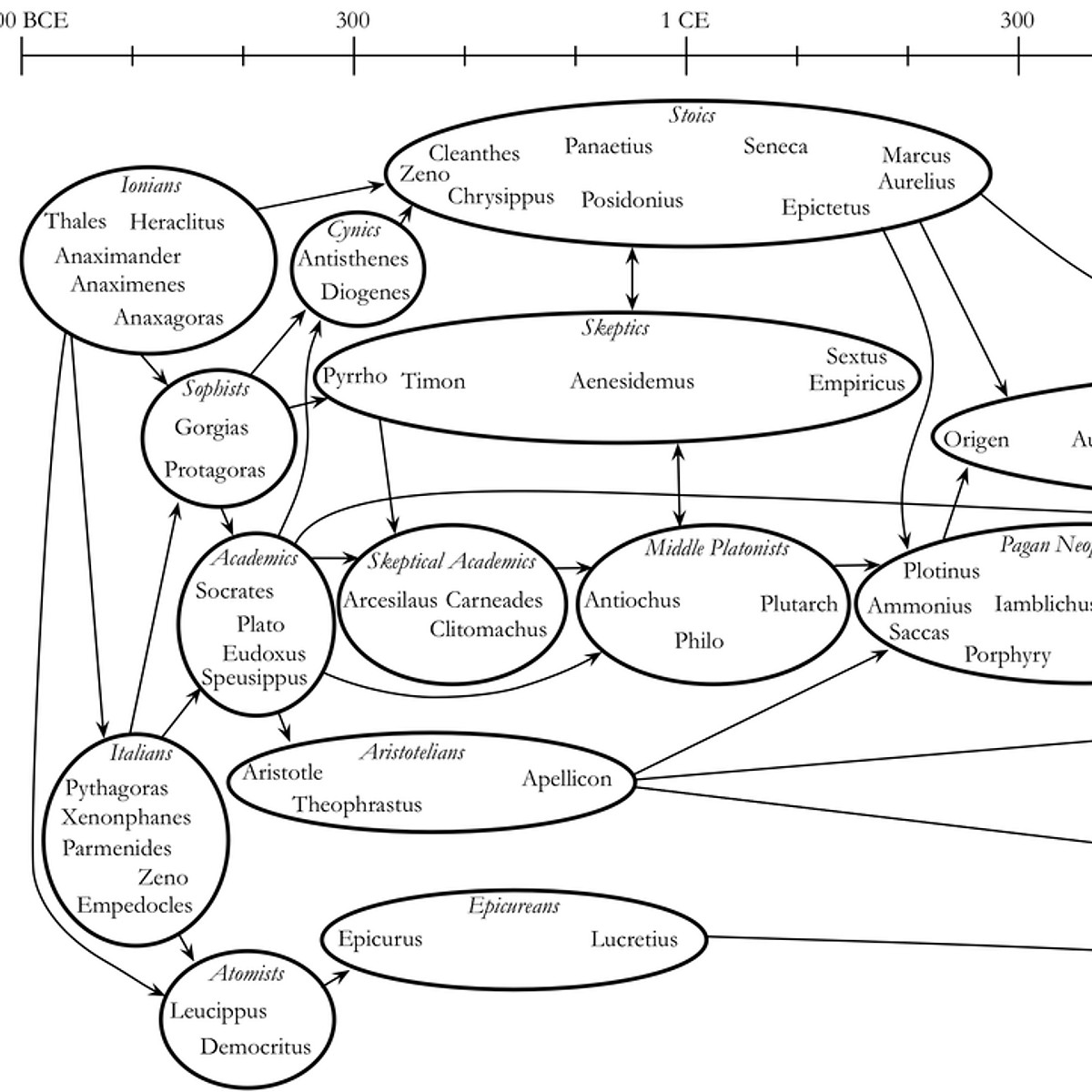
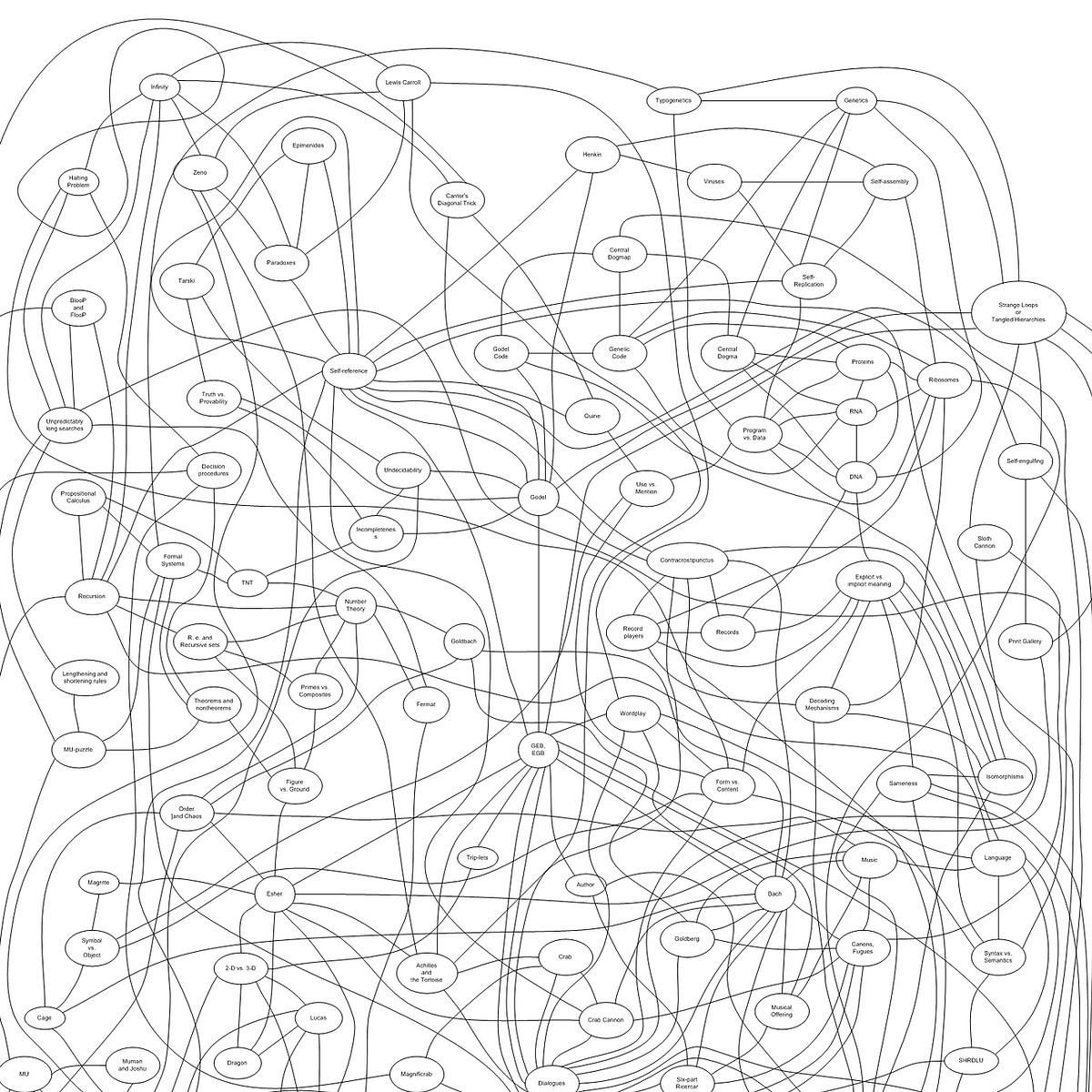
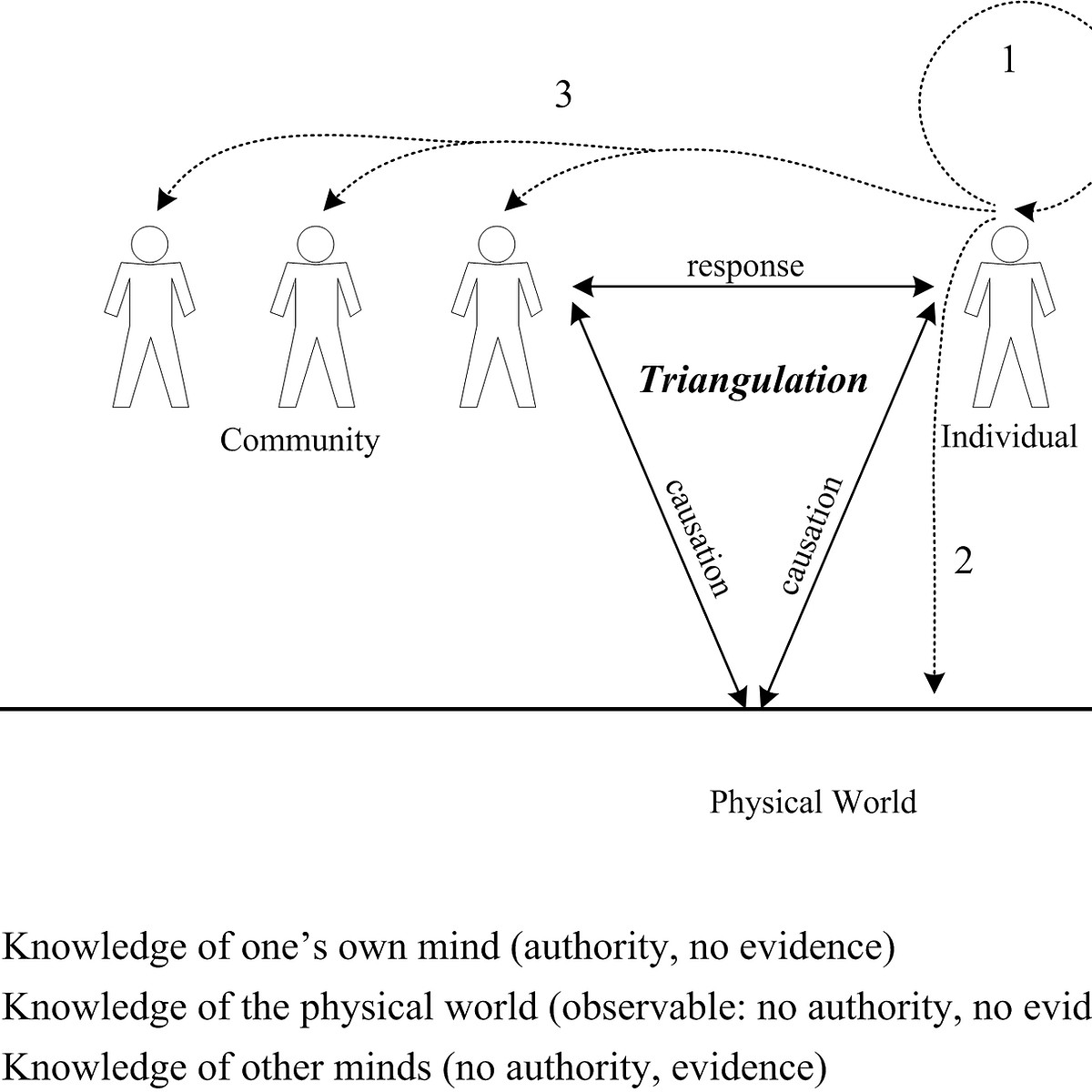
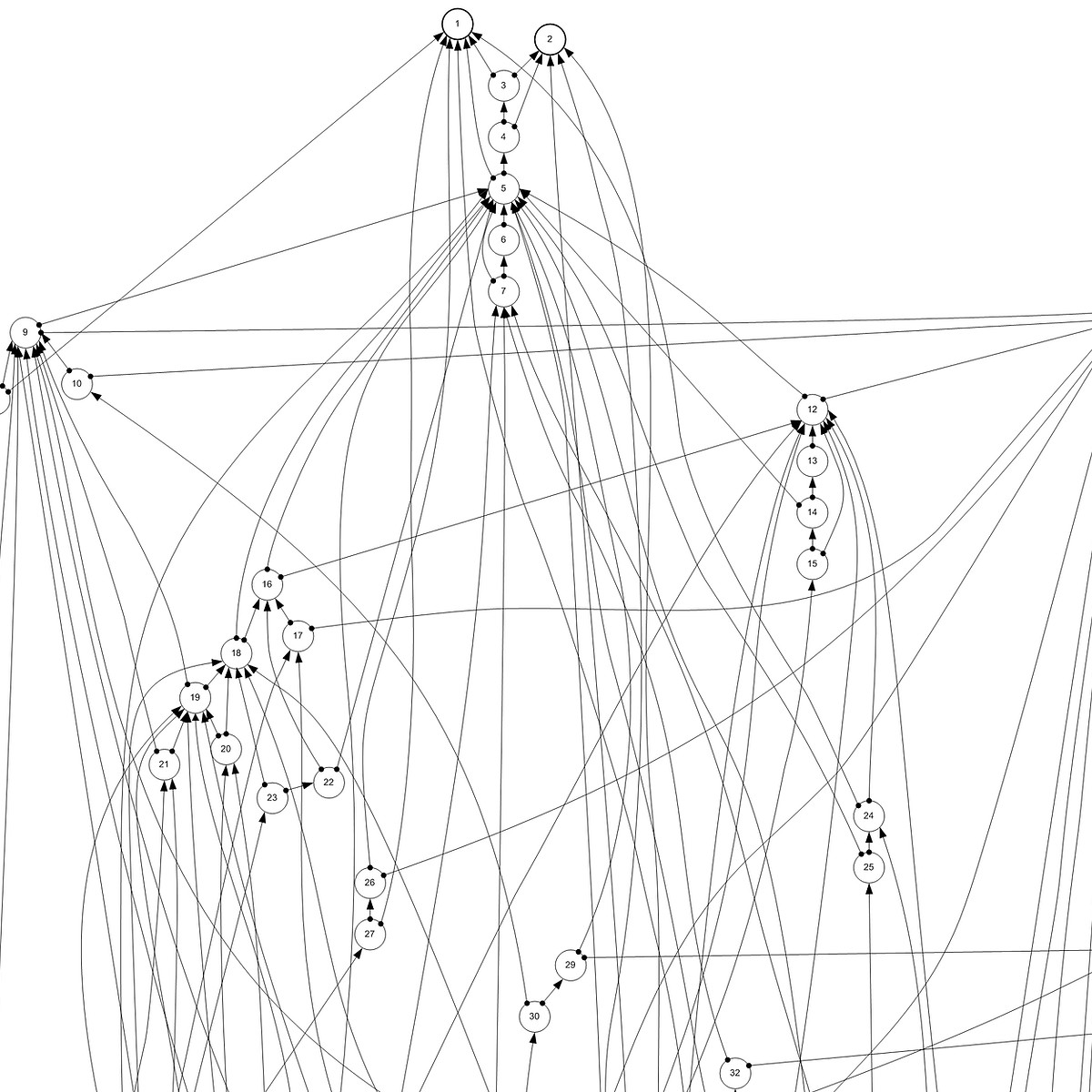
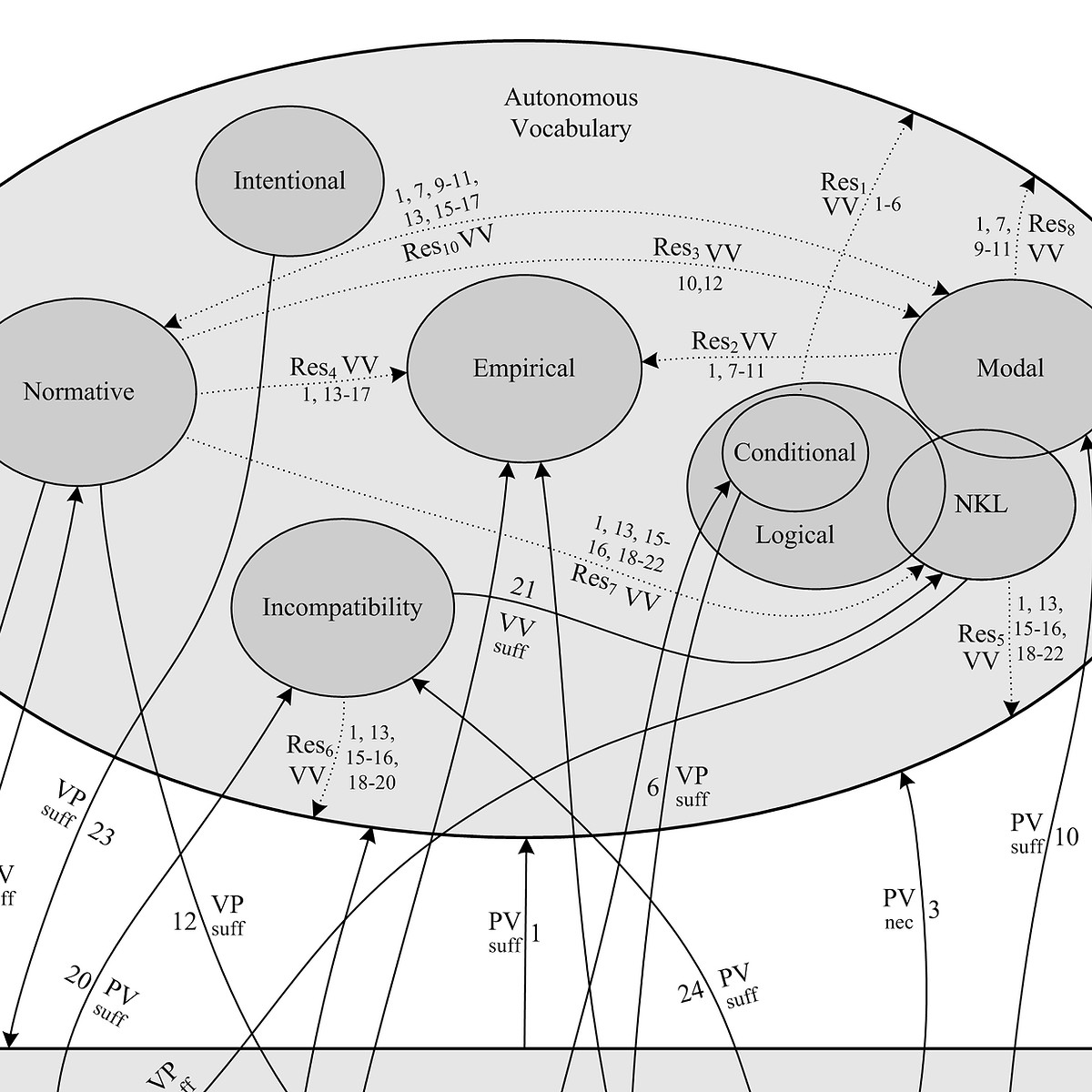
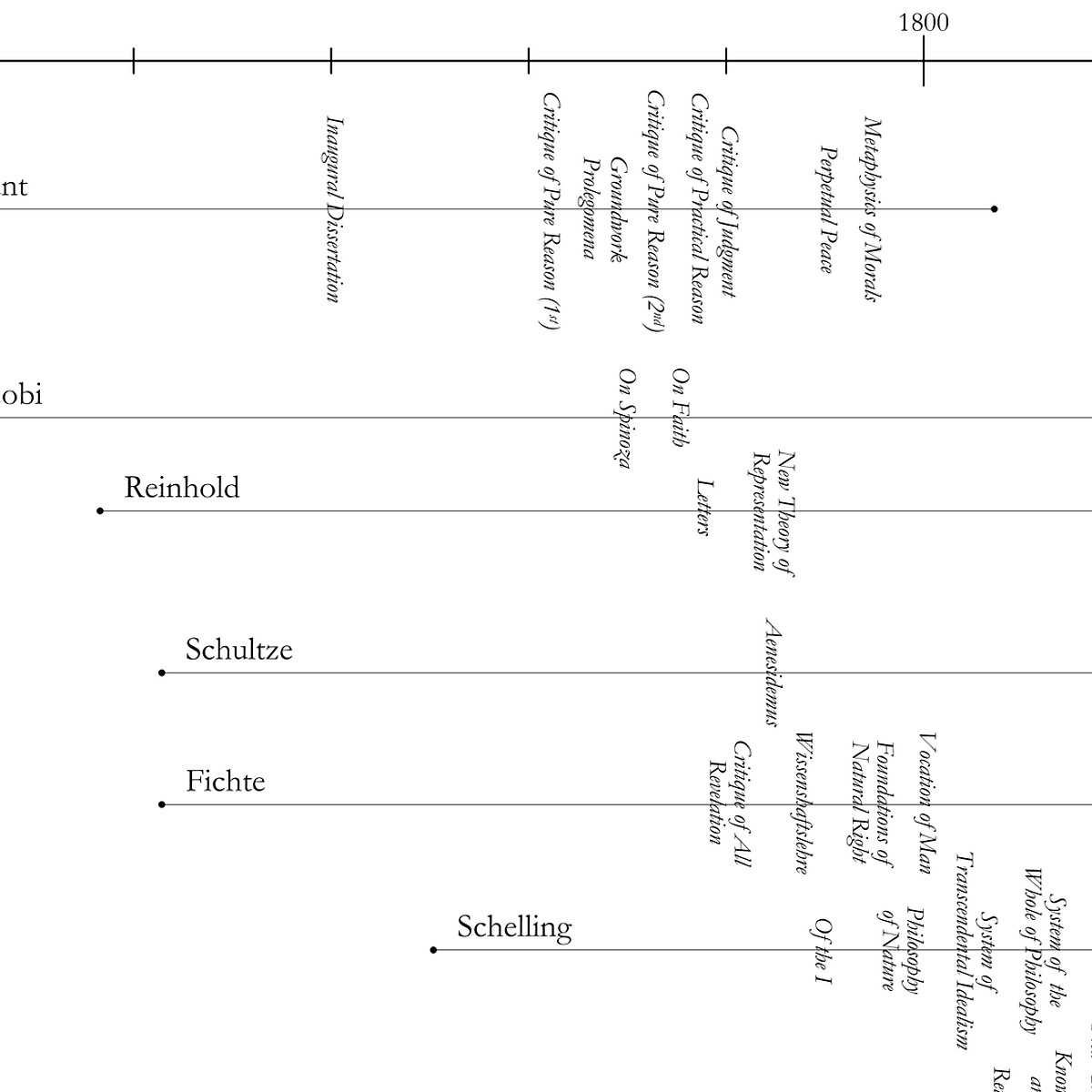
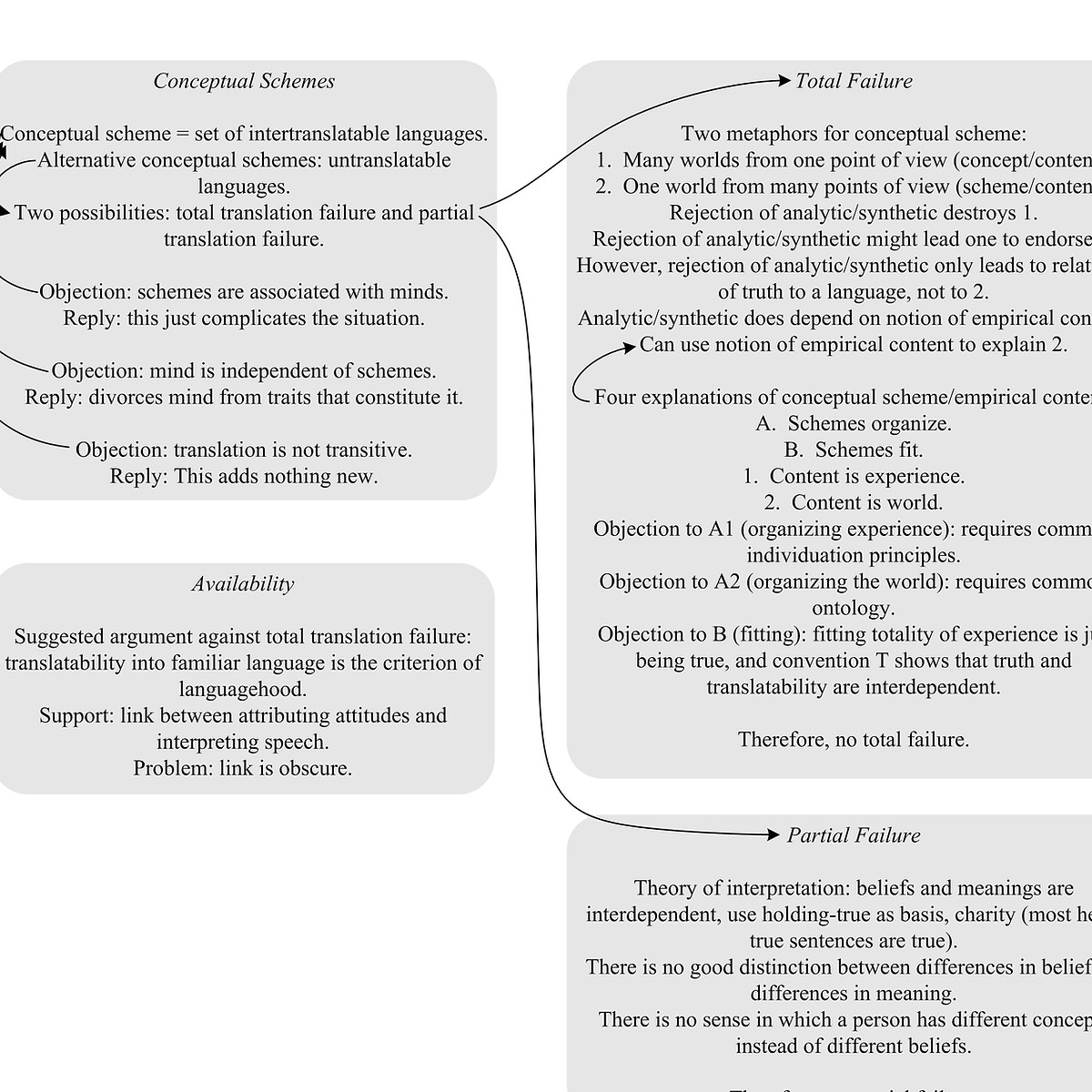
I love diagrams. I have used them for decades to help myself and others understand complex systems of ideas.
Professor of Philosophy · University of Illinois Urbana-Champaign
Founder, Soulmetric
I study how concepts break — and what to do about it. That question has taken me from truth and the liar paradox, through conceptual engineering, to AI systems that produce frontier research at speeds no institution can verify.
In 1992, at eighteen, I wrote a compression algorithm for NASA's Mars Observer mission at Washington University's Earth and Planetary Remote Sensing Lab. Then I went into philosophy. I spent twenty years on truth, published Replacing Truth (Oxford, 2013), helped found conceptual engineering as a field, directed the Arché Philosophical Research Centre at St Andrews, and joined UIUC in 2023.
In 2025 I started testing whether operator-scaffold coupling — a domain expert directing coordinated AI agent systems — could run conceptual engineering at scale. The result is Soulmetric: approximately 2,000 original research papers and 23 books, produced in weeks, with three results independently validated as novel and publishable. The methodology is transferable. The verification problem it creates is the subject of the manifesto.
I live in Champaign-Urbana with my partner Alison Duncan Kerr (also a philosopher at UIUC) and our three children.
If there is a minimal length (e.g. Planck length), there is about a 1 in 21 million chance that 'meter' is determinate.
Full list → ORCID · PhilPapers · Google Scholar
The concept of truth is inconsistent. Replace it.
I love diagrams. I have used them for decades to help myself and others understand complex systems of ideas.
Benchmarks test what a model says on one prompt. We mine prompt trajectory space.
Soulmetric is a research platform I founded in 2025 to explore what happens when a domain expert couples with coordinated AI agent systems at scale. The result: ~2,000 original papers and 23 books across mathematics, philosophy, and AI — with three results externally validated as novel and publishable.
The methodology is called operator-scaffold coupling. The thesis is that generation has outpaced verification, and the field needs communal verification infrastructure. The full argument is in the manifesto.
_3.jpg)